
As Zaha Hadid's groundbreaking design philosophy and style come into focus, readers are invited to delve into a realm shaped by innovation and creativity, promising an informative and engaging journey ahead.
Delve deeper into the iconic projects, design process, and lasting legacy of the legendary architect Zaha Hadid.
Overview of Zaha Hadid Design
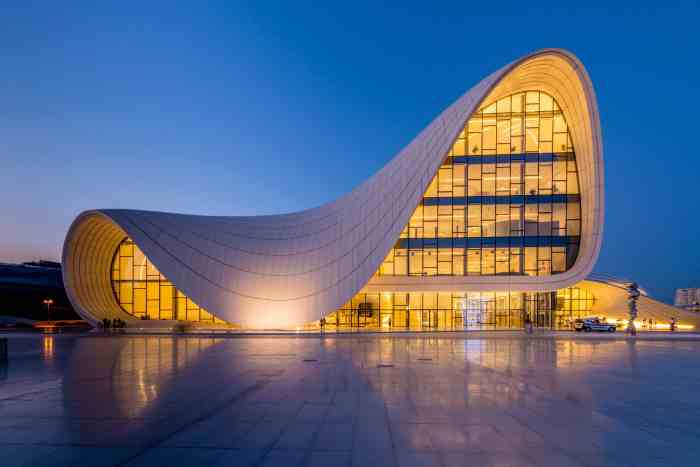
Zaha Hadid, a pioneering architect and designer, was known for her innovative and futuristic approach to architecture. Her design philosophy focused on pushing the boundaries of traditional forms and creating dynamic, fluid structures that challenged conventional norms.Zaha Hadid's work has had a profound impact on contemporary architecture and design by inspiring a new generation of architects to think outside the box and explore unconventional shapes and materials.
Her bold and visionary designs have redefined the possibilities of architecture and set new standards for creativity and innovation in the industry.Key characteristics of Zaha Hadid's design aesthetic include organic forms, fluid lines, and futuristic elements that blur the lines between architecture and art.
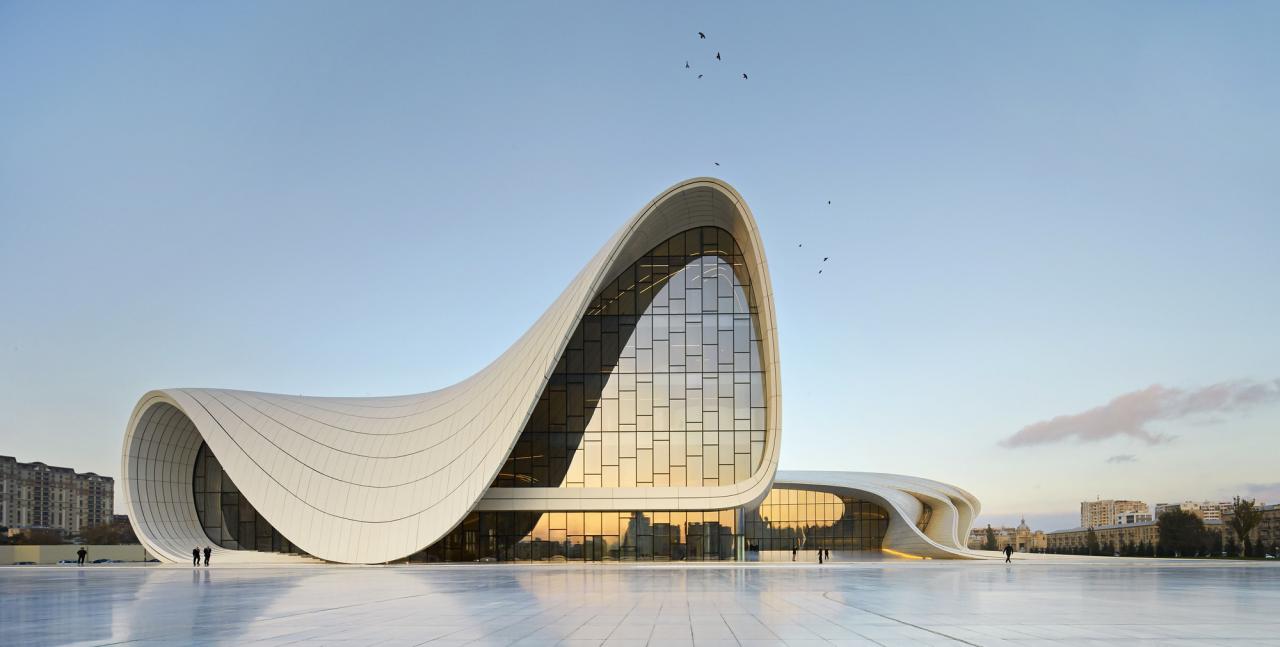
Her buildings often appear as if they are in motion, with sweeping curves and dynamic angles that create a sense of movement and energy.When compared to other prominent architects, Zaha Hadid's design approach stands out for its daring and experimental nature.
She was unafraid to challenge the status quo and push the boundaries of what was possible in architecture, paving the way for a new era of design that prioritizes creativity and imagination above all else.
Signature Projects by Zaha Hadid
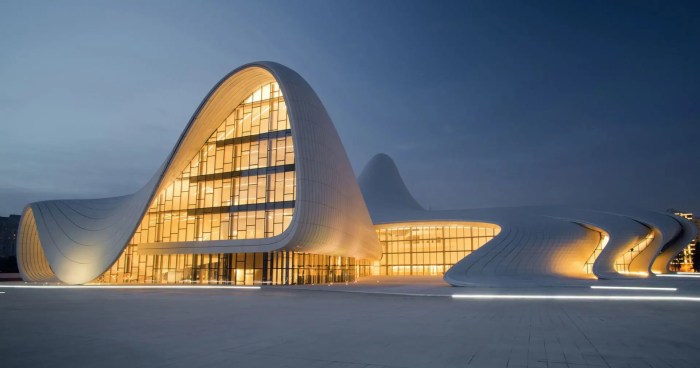
Zaha Hadid, known for her groundbreaking architectural designs, has created several iconic buildings that have left a lasting impact on the world of architecture.
Iconic Buildings
Zaha Hadid's portfolio includes iconic buildings such as the Heydar Aliyev Center in Baku, Azerbaijan, the London Aquatics Centre for the 2012 Olympics, and the Guangzhou Opera House in China. These structures are characterized by their fluid forms and futuristic aesthetics.
Innovative Use of Materials
Zaha Hadid was known for pushing the boundaries of architectural design through the innovative use of materials. She often incorporated materials like glass, steel, and concrete in unconventional ways to create visually striking buildings that challenge traditional architectural norms.
Impact on Urban Landscape
Zaha Hadid's projects have had a significant impact on the urban landscape, transforming city skylines with her distinctive designs. Her buildings often serve as landmarks, drawing attention and visitors to the cities in which they are located.
Functionality and Form
One of the hallmarks of Zaha Hadid's architectural creations is the seamless integration of form and function. Her buildings not only look visually stunning but are also designed to serve a specific purpose, whether it's a cultural center, a museum, or a sports facility.
Design Process of Zaha Hadid
Zaha Hadid was known for her innovative and revolutionary approach to conceptualizing and designing architectural projects. Her design process was characterized by pushing the boundaries of traditional architecture and creating fluid, dynamic forms that challenged conventional norms
Role of Technology in Zaha Hadid’s Design Process
Zaha Hadid embraced technology as a fundamental tool in her design process. She utilized advanced software and parametric modeling techniques to visualize and realize her complex architectural visions. Technology allowed her to experiment with intricate geometries and create structures that were previously unimaginable.
By harnessing the power of technology, Zaha Hadid was able to translate her abstract ideas into tangible designs with precision and accuracy.
Zaha Hadid’s Designs Challenge Traditional Architectural Norms
Zaha Hadid's designs were groundbreaking in their rejection of traditional architectural norms. She defied straight lines and right angles, opting instead for flowing curves and asymmetrical shapes that redefined the built environment. Her unconventional approach challenged the status quo and inspired a new wave of architectural innovation.
Zaha Hadid's designs were a testament to her bold vision and willingness to break free from conventional constraints.
Zaha Hadid’s Design Process in the Final Built Environment
Zaha Hadid's design process seamlessly translated into the final built environment, where her visionary concepts came to life. Iconic structures like the Heydar Aliyev Center in Baku and the Guangzhou Opera House in China stand as testament to her unparalleled creativity and technical prowess.
The fluid forms, intricate details, and futuristic aesthetics of her buildings continue to captivate viewers and push the boundaries of architecture. Zaha Hadid's legacy lives on through her transformative designs that have left an indelible mark on the architectural landscape.
Legacy of Zaha Hadid
Zaha Hadid's legacy in the field of architecture is profound and enduring, leaving a lasting impact that continues to inspire architects and designers around the world.
Influence on Future Generations
Zaha Hadid's innovative and groundbreaking designs have paved the way for future generations of architects, encouraging them to think outside the box and push the boundaries of traditional architecture.
Designs in Social, Cultural, and Environmental Contexts
Zaha Hadid's designs often reflect the social, cultural, and environmental contexts in which they are situated, creating a harmonious relationship between architecture and its surroundings. Her work has shown how architecture can both blend with and transform the spaces it occupies.
Evolution of Design Language
Over the years, Zaha Hadid's design language has evolved from futuristic and avant-garde to more fluid and organic forms. Her ability to experiment with new materials and technologies has led to a diverse portfolio of projects that showcase her versatility and creativity.
Last Word
In conclusion, Zaha Hadid's design legacy stands as a testament to her visionary approach and profound impact on the architectural landscape, sparking inspiration for generations to come.
Clarifying Questions
How did Zaha Hadid's design aesthetic differ from other prominent architects?
Zaha Hadid's design aesthetic was characterized by fluid forms, futuristic visions, and a bold approach that challenged traditional norms.
What impact did Zaha Hadid's projects have on the urban landscape?
Zaha Hadid's projects reshaped urban environments, introducing new architectural possibilities and pushing boundaries in design.
How does Zaha Hadid's design process incorporate technology?
Zaha Hadid's design process integrates cutting-edge technology to bring her visionary concepts to life, pushing the boundaries of architectural innovation.