
Embark on a journey through the enchanting world of Victorian siding, where history meets architectural elegance. Discover the unique characteristics and materials that define this iconic style, and learn about its vital role in preserving the heritage of historical buildings.
Overview of Victorian Siding
Victorian siding refers to the exterior cladding or covering of buildings that are designed in the Victorian architectural style. This type of siding is characterized by elaborate details, intricate patterns, and a mix of different materials.
Victorian siding holds significant historical importance in architecture, as it was popular during the Victorian era (1837-1901) and is closely associated with the ornate and decorative style of that period. It reflects the grandeur and sophistication of Victorian design, showcasing the craftsmanship and attention to detail prevalent in Victorian architecture.
Popular Victorian Siding Materials
- Wood: Wood siding was commonly used in Victorian homes, with intricate carvings and details that added charm and character to the buildings.
- Brick: Brick siding was another popular choice for Victorian buildings, providing a sturdy and durable option with decorative elements like corbelling and contrasting colored bricks.
- Stucco: Stucco siding was often embellished with decorative motifs and textures to mimic stone or intricate patterns, enhancing the overall aesthetic of Victorian structures.
Importance of Victorian Siding in Preserving Historical Buildings
Victorian siding plays a crucial role in preserving the historical integrity of buildings from the Victorian era. By maintaining or restoring the original siding materials and design elements, historical buildings can retain their authenticity and architectural significance.
Types of Victorian Siding
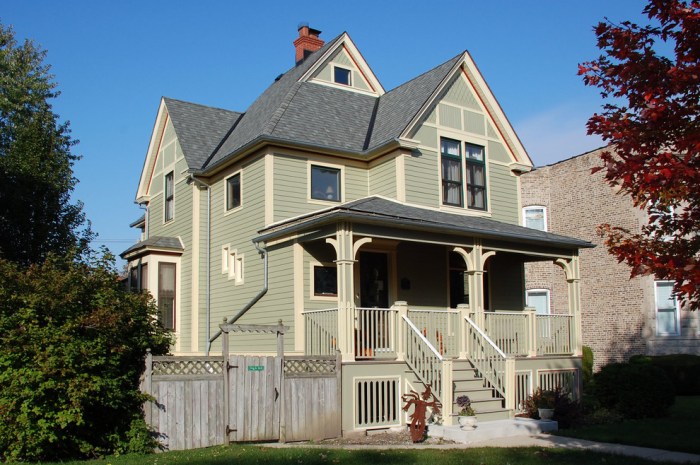
Victorian siding comes in various patterns and designs, each adding a unique touch to a building's exterior. The choice of siding material, color, and texture can greatly impact the overall aesthetic of a structure, while maintenance requirements vary depending on the material used.
Patterns and Designs
- Scalloped
- Octagonal
- Fish scale
- Board and batten
Materials
Victorian siding can be made from different materials, each with its own set of advantages and considerations:
- Wood: Traditional and elegant, but requires regular maintenance to prevent rot and warping.
- Vinyl: Low maintenance and durable, available in a variety of colors, but may not replicate the look of real wood as convincingly.
- Fiber Cement: Resistant to rot, fire, and pests, but may be more costly upfront.
Colors and Textures
The color and texture of Victorian siding can dramatically alter the appearance of a building, from classic neutrals to bold hues. Textures like smooth, rough-sawn, or beaded can add depth and character.
Maintenance Requirements
Each type of Victorian siding has its own maintenance needs:
- Wood: Regular painting or staining, sealing any cracks or splits, and keeping moisture at bay.
- Vinyl: Periodic cleaning with a mild detergent and water, checking for any cracks or damage.
- Fiber Cement: Inspection for cracks or chips, repainting as needed, and cleaning with a soft brush and water.
Installation and Repair of Victorian Siding
Installing and repairing Victorian siding requires attention to detail and a careful approach to maintain the historical integrity of the property.
Step-by-Step Installation Process
- Prepare the surface by removing any old siding and ensuring a smooth, clean base.
- Measure and cut the Victorian siding to fit the dimensions of the exterior walls.
- Secure the siding in place using appropriate fasteners and ensure proper alignment.
- Finish with caulking and painting to complete the installation.
Tips for Proper Installation
- Research the historical accuracy of the Victorian siding style to ensure authenticity.
- Consult with experts or historical preservation specialists for guidance on installation techniques.
- Use high-quality materials and follow manufacturer recommendations for optimal results.
Common Issues and Repair Solutions
- Rot or decay: Replace damaged sections of Victorian siding with new materials to prevent further deterioration.
- Paint peeling or fading: Strip old paint, sand the surface, and apply a fresh coat of paint to restore the appearance.
- Loose or warped siding: Secure loose pieces and straighten warped sections to maintain a uniform look.
Importance of Professional Installation and Repair
- Professionals have the expertise and experience to handle Victorian siding with care and precision.
- Professional installation ensures proper alignment, sealing, and finishing for long-lasting results.
- Hiring professionals helps maintain the historical accuracy and value of the property.
Preservation and Restoration of Victorian Siding
Preserving Victorian siding on historical buildings is crucial for maintaining the authenticity and charm of these architectural gems. Victorian siding often features intricate details and unique designs that are characteristic of the era, making it an essential component of historical preservation efforts.
Significance of Preservation
Preserving Victorian siding not only protects the aesthetic appeal of historical buildings but also maintains their structural integrity. The intricate designs and craftsmanship of Victorian siding are often irreplaceable, making preservation a top priority for historical conservationists.
Restoration Best Practices
- Inspecting the existing siding for damage or wear and tear.
- Repairing or replacing damaged sections with matching materials to maintain the original look.
- Stripping old paint and applying a fresh coat to revitalize the appearance of Victorian siding.
- Consulting with historical preservation experts for guidance on restoration techniques.
Cleaning and Maintenance Techniques
Regular cleaning and maintenance are essential to prolong the lifespan of Victorian siding. Here are some techniques to consider:
- Use a gentle cleanser and soft brush to remove dirt and grime without damaging the siding.
- Inspect for signs of mold or mildew and address them promptly to prevent further damage.
- Avoid high-pressure washing, as it can cause water damage to the siding.
- Apply a protective sealant to prevent moisture infiltration and protect the wood from rot.
Role in Maintaining Authenticity
Victorian siding plays a crucial role in maintaining the authenticity of historical architecture. By preserving and restoring Victorian siding, we can ensure that these architectural treasures retain their original charm and character for future generations to admire and appreciate.
Ultimate Conclusion
In conclusion, Victorian siding stands as a testament to the past, a blend of artistry and functionality that continues to grace buildings with its timeless charm. Embrace the beauty of Victorian siding and witness the legacy it holds in architectural history.
User Queries
What are the common characteristics of Victorian siding?
Victorian siding typically features intricate designs, ornate details, and vibrant colors that add a touch of elegance to buildings.
How can different colors and textures of Victorian siding impact a building's aesthetic?
The colors and textures of Victorian siding can greatly influence the overall look and feel of a building, from creating a classic vintage vibe to a more modern interpretation.
What are the best practices for maintaining Victorian siding?
Regular cleaning, proper maintenance, and timely repairs are key to preserving Victorian siding and extending its lifespan.