
Dive into the world of TruExterior siding, a revolutionary choice for both residential and commercial buildings. Discover its unique features and advantages that set it apart from traditional siding materials.
As we delve deeper into the different types, installation process, maintenance tips, and cost considerations, you'll gain a comprehensive understanding of why TruExterior siding is a top choice for your next project.
Overview of TruExterior Siding
TruExterior siding is a revolutionary building material made from a poly-ash blend, combining the look and feel of real wood with the durability of engineered polymers. It is designed to withstand harsh weather conditions, resist rotting, cracking, and splitting, making it a low-maintenance and long-lasting siding option for both residential and commercial buildings.
Main Features of TruExterior Siding
- Highly durable and resistant to rot, decay, and insects.
- Authentic wood look and feel without the maintenance requirements.
- Easy to install and work with, reducing labor costs.
- Available in a variety of styles and colors to suit any design aesthetic.
Benefits of TruExterior Siding
- Long-lasting performance, reducing the need for frequent repairs or replacements.
- Low maintenance requirements, saving time and money on upkeep.
- Enhanced curb appeal and value of the property.
- Eco-friendly and sustainable choice for environmentally conscious consumers.
Comparison with Traditional Siding Materials
- Unlike wood siding, TruExterior is not susceptible to rot, decay, or insect damage, ensuring a longer lifespan.
- Compared to vinyl siding, TruExterior offers a more authentic wood look and feel without the risk of fading or warping over time.
- In contrast to fiber cement siding, TruExterior is lighter in weight and easier to handle during installation, reducing labor costs.
Types of TruExterior Siding
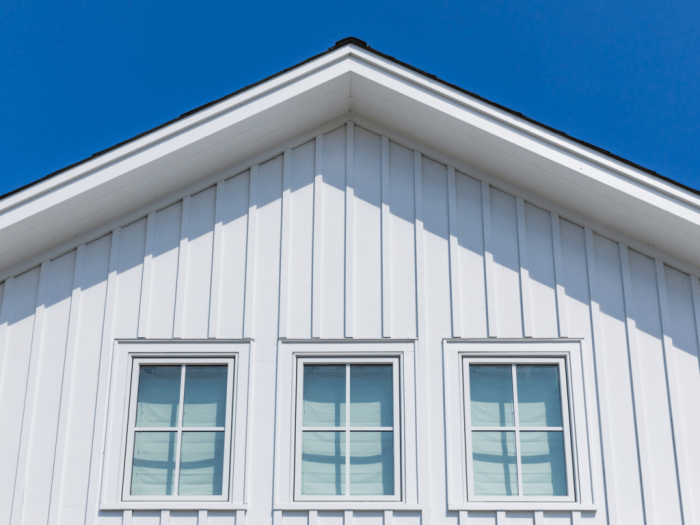
When it comes to TruExterior siding, there are several types available in the market, each with its own unique characteristics and design options. Let's explore the different types of TruExterior siding and their best applications based on their properties.
TruExterior Beadboard
TruExterior Beadboard siding offers a classic and timeless look with its traditional beadboard design. It comes in various colors and textures, allowing for customization to suit different architectural styles. This type of siding is best suited for adding charm and character to porches, gables, and other exterior features.
TruExterior Shiplap
TruExterior Shiplap siding features overlapping horizontal boards that create a clean and modern aesthetic. With options for smooth or wood-grain textures, this siding type is versatile and can be used on entire facades or accent walls. It is ideal for achieving a contemporary look with a touch of sophistication.
TruExterior Nickel Gap
TruExterior Nickel Gap siding offers a distinctive design with narrow horizontal grooves that create a subtle shadow line effect. Available in a range of colors, this type of siding is perfect for achieving a rustic or farmhouse-inspired look. It is commonly used on walls, ceilings, and other interior or exterior surfaces.
TruExterior V-Rustic
TruExterior V-Rustic siding features a V-shaped groove pattern that adds depth and visual interest to any structure. With options for different widths and finishes, this siding type is versatile and can be used in both residential and commercial applications. It is suitable for creating a warm and inviting atmosphere with a hint of architectural flair.
Installation Process
When it comes to installing TruExterior siding, there are several key steps to follow to ensure a successful installation. Proper handling and cutting of the siding are essential to achieve a professional finish. Avoiding common mistakes during the installation process can also help prevent any issues down the line.
General Steps for Installing TruExterior Siding
- Prepare the wall surface by ensuring it is clean, dry, and free of any debris.
- Measure and cut the siding panels to fit the dimensions of the wall, making sure to leave space for expansion and contraction.
- Install the starter strip at the bottom of the wall to provide a level base for the siding.
- Begin installing the siding panels, ensuring they are level and properly aligned.
- Secure the siding panels to the wall using the recommended fasteners, following the manufacturer's guidelines.
- Finish the installation by adding trim pieces and caulking any gaps to create a seamless look.
Tips for Handling and Cutting TruExterior Siding
- Handle the siding with care to avoid any damage to the surface or edges.
- Use a sharp utility knife or circular saw with a fine-toothed blade to cut the siding to size.
- When cutting, ensure the face of the siding is facing up to prevent any splintering or chipping.
- Wear appropriate safety gear, such as gloves and eye protection, when handling and cutting the siding.
Common Mistakes to Avoid During Installation
- Avoid overdriving fasteners, as this can cause the siding to crack or become loose over time.
- Do not install the siding panels too tightly together, as this can prevent proper expansion and contraction, leading to buckling or warping.
- Avoid installing siding panels on uneven or unprepared surfaces, as this can affect the overall appearance and durability of the siding.
Maintenance and Care
Maintaining TruExterior siding is essential to ensure its longevity and keep it looking great for years to come. By following some simple care tips, you can protect your investment and enjoy the benefits of durable and stylish siding.
Cleaning TruExterior Siding
- Regularly clean the siding with a mixture of mild soap and water to remove dirt, dust, and debris.
- Avoid using harsh chemicals, abrasive cleaners, or power washers, as they can damage the siding's surface.
- Rinse the siding thoroughly with water after cleaning to prevent soap residue buildup.
- Inspect the siding periodically for mold or mildew growth and address it promptly using a solution of water and mildew cleaner.
Special Considerations for Different Climates
TruExterior siding is designed to withstand various weather conditions, but certain climates may require additional care to maintain the siding's integrity.
- In humid climates, regularly check for moisture buildup behind the siding and ensure proper ventilation to prevent mold growth.
- In colder climates, avoid using sharp objects to remove ice or snow buildup, as they can scratch or damage the siding.
- Consult with a professional for specific recommendations on maintaining TruExterior siding in extreme climates, such as areas prone to hurricanes or intense sunlight exposure.
Cost and Budgeting
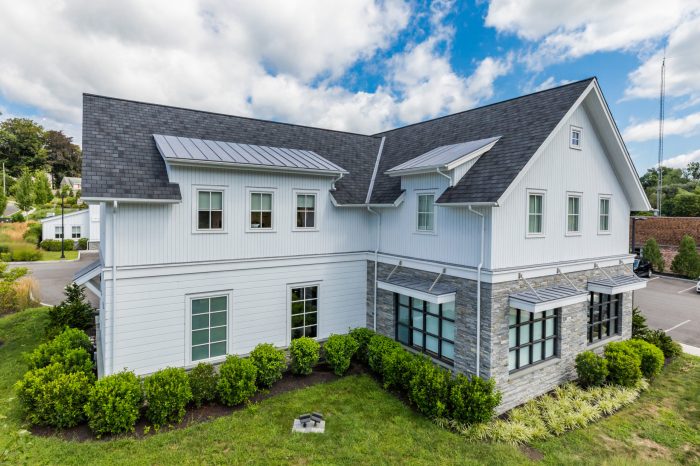
When considering TruExterior siding for your home, it's important to understand the cost factors involved, compare it with other siding materials, and find ways to budget effectively for the project.
Cost Factors
- Material Cost: The cost of TruExterior siding can vary depending on the style, color, and texture you choose.
- Installation Cost: Factor in the cost of labor for professional installation, which can also vary based on your location and the complexity of the project.
- Additional Materials: Don't forget to budget for any additional materials needed for the installation, such as trim pieces, fasteners, and sealants.
- Maintenance Cost: Consider the long-term maintenance cost of TruExterior siding compared to other materials.
Comparison with Other Materials
- TruExterior vs. Vinyl Siding: While vinyl siding is generally more affordable upfront, TruExterior siding is known for its durability and low maintenance, which can lead to cost savings in the long run.
- TruExterior vs. Wood Siding: Wood siding may have a lower upfront cost, but it requires more maintenance and is susceptible to rot and pests, potentially costing more over time.
- TruExterior vs. Fiber Cement Siding: TruExterior siding offers similar durability to fiber cement siding but is easier to install, potentially saving on installation costs.
Budgeting Tips
- Get Multiple Quotes: Shop around and get quotes from different contractors to find the best price for both materials and installation.
- Plan Ahead: Budget for unexpected expenses and factor in a buffer for any unforeseen costs that may arise during the project.
- DIY Where Possible: Consider taking on certain aspects of the installation yourself to save on labor costs, but be sure to consult with professionals for guidance.
- Look for Deals: Keep an eye out for sales, promotions, or discounts on TruExterior siding to help lower the overall cost of the project.
Outcome Summary
In conclusion, TruExterior siding offers a blend of durability, aesthetics, and cost-effectiveness that make it a standout option in the world of exterior cladding. Consider the information provided to make an informed decision for your next siding project.
FAQ Summary
Is TruExterior siding suitable for all climates?
TruExterior siding is designed to withstand various climates, but it's always best to consult with a professional to ensure proper installation and maintenance.
What are the main differences between TruExterior siding and traditional materials?
TruExterior siding offers enhanced durability, low maintenance requirements, and a wider range of design options compared to traditional siding materials like wood or vinyl.
How long does TruExterior siding typically last?
With proper maintenance, TruExterior siding can last for several decades, providing long-term value for your investment.