
Delving into the world of siding and painting contractors unveils a realm where skilled professionals transform spaces with precision and expertise. From residential abodes to commercial structures, these contractors play a pivotal role in enhancing aesthetics and protecting surfaces. Let's explore the nuances of their craft and discover the benefits of entrusting your projects to the hands of professionals.
Introduction to Siding and Painting Contractors
Siding and painting contractors play a crucial role in both residential and commercial construction projects. They are responsible for installing durable and aesthetically pleasing siding materials, as well as providing high-quality painting services to enhance the overall look of a building.
It is essential to hire professional siding and painting contractors for several reasons. Firstly, professionals have the necessary skills, knowledge, and experience to complete the job efficiently and effectively. They are familiar with the latest techniques and best practices in the industry, ensuring that the work is done to the highest standards.
Choosing professional contractors over DIY projects also offers numerous benefits. Professionals have access to high-quality materials and tools, which can result in a more durable and long-lasting finish. Additionally, hiring experts can save time and money in the long run, as they can complete the project quickly and without costly mistakes.
Importance of Professional Siding and Painting Services
- Professional contractors have the expertise to handle a variety of siding materials, such as vinyl, wood, fiber cement, and metal, ensuring the best results for each type.
- They can provide valuable advice on selecting the right colors and finishes for painting projects, enhancing the overall curb appeal of a property.
- Professional contractors prioritize safety measures during the installation and painting process, reducing the risk of accidents or injuries on the job site.
Types of Siding Materials
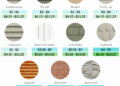
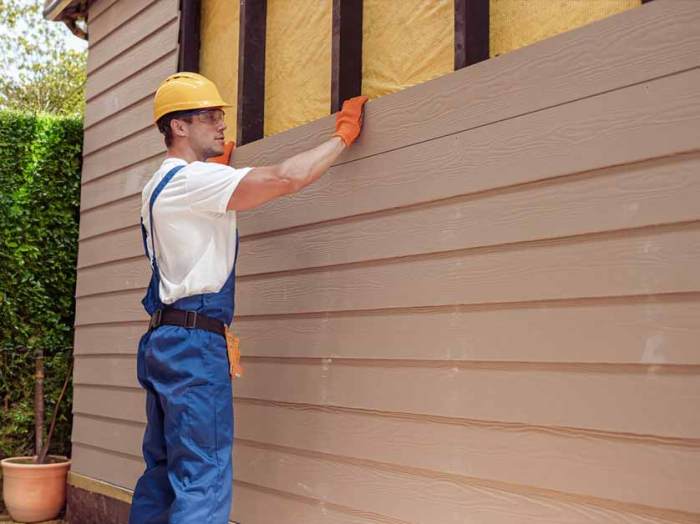
When it comes to siding materials, there are several options available, each with its own unique characteristics and maintenance requirements. Choosing the right siding material is crucial for the longevity and aesthetics of a building.
- Vinyl Siding:
- Fiber Cement Siding:
- Wood Siding:
- Aluminum Siding:
Vinyl siding is a popular choice due to its affordability, versatility, and low maintenance requirements. It is available in a wide range of colors and styles, making it suitable for various architectural designs.
Fiber cement siding is known for its durability and resistance to rot, fire, and pests. It can mimic the look of wood, stucco, or stone, providing a high-end finish to the exterior of a building.
Wood siding offers a natural and timeless look, adding warmth and character to a property. However, it requires regular maintenance, such as staining or painting, to prevent rot and decay.
Aluminum siding is lightweight, durable, and resistant to corrosion. It is a good option for coastal areas or regions with extreme weather conditions.
Durability and Maintenance Comparison
| Siding Material | Durability | Maintenance |
|---|---|---|
| Vinyl Siding | Medium | Low (Occasional cleaning) |
| Fiber Cement Siding | High | Moderate (Painting every 5-10 years) |
| Wood Siding | Medium | High (Regular staining or painting) |
| Aluminum Siding | High | Low (Periodic cleaning) |
Examples of Suitable Projects
- Vinyl Siding: Ideal for residential homes, especially for homeowners looking for a cost-effective and low-maintenance option.
- Fiber Cement Siding: Perfect for commercial buildings or high-end residential properties where durability and a sophisticated appearance are desired.
- Wood Siding: Best suited for cabins, cottages, or rustic-style homes where the natural beauty of wood adds to the overall charm.
- Aluminum Siding: Recommended for beach houses or buildings in areas prone to saltwater exposure, as it can withstand corrosion better than other materials.
Painting Techniques and Finishes
When it comes to painting, professional contractors utilize various techniques to achieve the desired results. It is essential to understand the importance of surface preparation before painting and the different paint finishes available for different environments.
Painting Techniques
Professional painters use a variety of techniques to ensure a smooth and even coat of paint. Some common painting techniques include:
- Brushing: This traditional method involves using a paintbrush to apply paint to surfaces with intricate details.
- Rolling: Paint rollers are used to cover large, flat surfaces quickly and efficiently.
- Spraying: Paint sprayers are ideal for covering large areas in a short amount of time, providing a smooth finish.
Importance of Surface Preparation
Surface preparation is crucial before painting to ensure the paint adheres properly and lasts longer. This process involves cleaning, sanding, and priming the surface to create a smooth and uniform base for the paint.
Paint Finishes
Choosing the right paint finish is essential for achieving the desired look and durability. Different paint finishes include:
- Flat: Ideal for ceilings and low-traffic areas, flat finishes provide a matte look but are not very durable.
- Eggshell: A slightly glossy finish that is easy to clean, making it suitable for living rooms and bedrooms.
- Satin: Offers a soft sheen and is durable, making it perfect for high-traffic areas like hallways and kitchens.
- Semi-gloss: Provides a shiny finish and is highly durable, making it perfect for trim, doors, and cabinets.
- Gloss: Offers a high-gloss finish that is extremely durable and easy to clean, making it ideal for doors and cabinets.
Hiring the Right Contractor
When it comes to selecting siding and painting contractors, there are several key factors to consider to ensure you make the right choice for your project.
Importance of Contractor Licensing, Insurance, and Certifications
Before hiring a contractor, it is crucial to verify that they are properly licensed, insured, and certified. This provides you with protection in case of accidents, damages, or disputes during the project.
- Contractor Licensing: Make sure the contractor holds the necessary licenses required by your state or local regulations. This ensures they have the knowledge and qualifications to perform the work legally.
- Insurance Coverage: Check that the contractor has liability insurance and workers' compensation coverage. This protects you from being held liable for any accidents or injuries that may occur on your property.
- Certifications: Look for contractors who are certified by reputable organizations in the industry. This demonstrates their expertise and commitment to quality workmanship.
Tips on Requesting Quotes and Evaluating Proposals
When seeking quotes from contractors, it's essential to compare multiple proposals to find the best fit for your project needs and budget.
- Request Detailed Quotes: Ask for itemized quotes that break down the costs of materials, labor, and any additional services. This allows for a transparent comparison of prices.
- Evaluate Experience and References: Consider the contractor's experience in similar projects and ask for references from past clients. This can give you insight into the quality of their work and customer satisfaction.
- Clarify Timeline and Communication: Discuss the project timeline with each contractor and ensure they have clear communication processes in place. This helps avoid misunderstandings and delays during the project.
Maintenance and Repairs
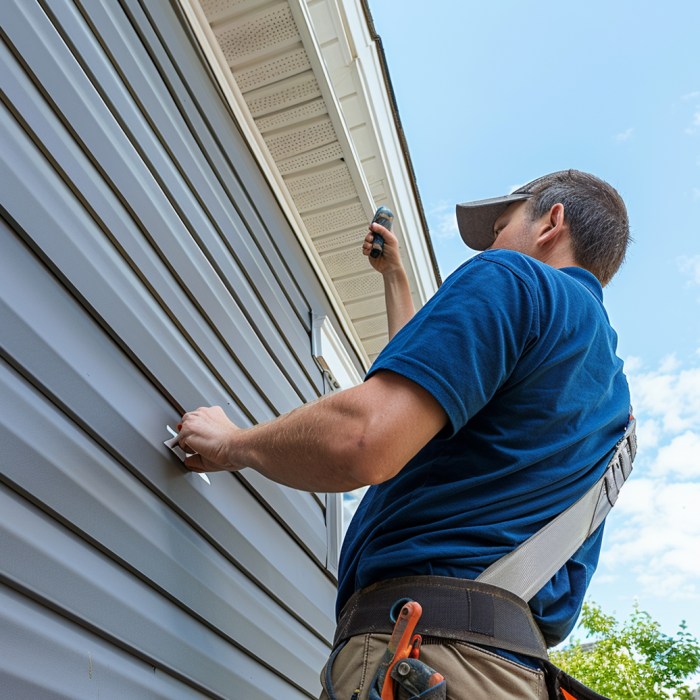
Regular maintenance and timely repairs are essential to ensure the longevity and appearance of your siding. By identifying signs of damage early on, you can prevent more extensive issues and costly repairs in the future.
Common Maintenance Tasks
- Inspecting the siding for cracks, holes, or gaps that may allow water infiltration.
- Cleaning the siding regularly to remove dirt, mold, and mildew that can damage the surface.
- Checking for peeling paint or discoloration, which may indicate the need for repainting.
- Trimming back vegetation near the siding to prevent moisture buildup and pest infestations.
Spotting Signs of Damage
- Look for bubbling or blistering paint, which may indicate moisture trapped beneath the surface.
- Check for warping or buckling of the siding, which can be a sign of water damage or structural issues.
- Inspect for mold or mildew growth, as these can cause health hazards and damage to the siding material.
- Listen for hollow sounds when tapping on the siding, suggesting deterioration of the material.
Repairing Damaged Siding and Repainting Surfaces
- Start by cleaning the damaged area and removing any debris or loose paint.
- Fill cracks or holes with a suitable filler and sand the surface smooth before repainting.
- Match the paint color and finish to the existing siding for a seamless repair.
- Apply a primer before painting to ensure better adhesion and long-lasting results.
Summary
As we conclude our journey through the realm of siding and painting contractors, one thing remains clear: the value of their expertise is unmatched. Whether you're aiming to revamp your exteriors or safeguard your interiors, the guidance and services of these professionals pave the way for impeccable results.
Embrace the artistry and reliability of siding and painting contractors for a transformative experience in construction and renovation.
Questions and Answers
What are some common maintenance tasks to prolong the lifespan of siding?
To extend the lifespan of siding, regular cleaning, inspecting for damage, and addressing any issues promptly are key maintenance tasks.
How can one spot signs of damage or wear on siding?
Common signs of damage on siding include cracks, warping, fading of color, mold growth, or loose panels.
What is the process of repairing damaged siding and repainting surfaces?
Repairing damaged siding involves replacing the affected sections, ensuring proper insulation and weatherproofing. Repainting surfaces includes cleaning, priming, and applying suitable paint for a fresh finish.