
Office room design sets the stage for this enthralling narrative, offering readers a glimpse into a story that is rich in detail and brimming with originality from the outset. As we delve into the importance, factors to consider, trends, and creating a functional and aesthetic office room, prepare to be inspired by the possibilities that lie within the realm of office design.
Importance of Office Room Design
Office room design plays a crucial role in enhancing productivity and overall well-being in the workplace. A well-designed office space can have a significant impact on employee morale, creativity, and collaboration.
Impact on Employee Morale
Well-designed office spaces with ample natural light, ergonomic furniture, and vibrant colors can uplift employee spirits and create a positive work environment. Employees are more likely to feel motivated and engaged in a space that is visually appealing and functional.
Enhancing Creativity and Collaboration
Office room design can also influence creativity and collaboration among team members. Open layout designs, comfortable breakout areas, and collaborative workspaces can encourage spontaneous interactions and idea sharing. When employees feel comfortable and inspired by their surroundings, they are more likely to think creatively and work together effectively.
Factors to Consider in Office Room Design
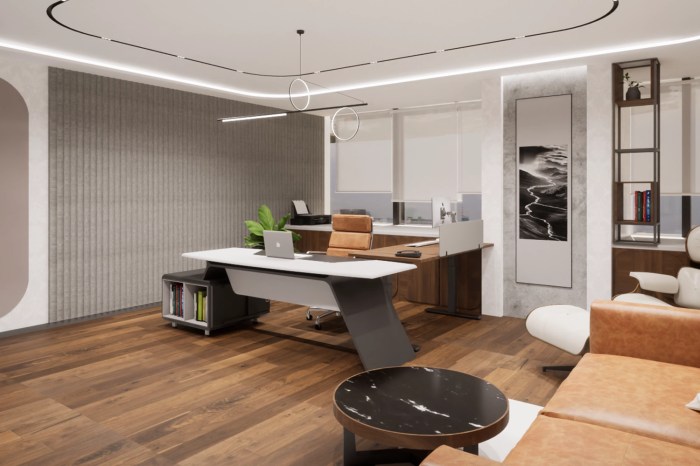
When designing an office room, several key factors need to be taken into consideration to create a functional and conducive workspace for employees.
Lighting
Proper lighting is essential in an office environment as it can affect productivity, mood, and overall well-being of employees. Natural light is preferred as it helps reduce eye strain and fatigue. To maximize natural light, positioning workstations near windows and using light-colored furniture can help reflect light throughout the space.
Color Schemes
The color scheme of an office can greatly impact the atmosphere and productivity of employees. Neutral tones like white, beige, and light grey are often used to create a calm and focused environment. Accent colors can be incorporated to stimulate creativity and energy in specific areas.
Furniture Layout
The layout of furniture plays a crucial role in the functionality and flow of an office space. It is important to consider ergonomic principles when positioning desks, chairs, and other workstations to promote good posture and reduce physical strain on employees.
Ergonomic Considerations
Ergonomics is key in office room design to ensure the comfort and health of employees. Adjustable chairs, standing desks, and proper keyboard and mouse placement can help prevent musculoskeletal disorders and improve overall productivity.
Role of Plants and Greenery
Incorporating plants and greenery into an office space not only enhances the aesthetics but also improves air quality and reduces stress levels. Plants can act as natural air purifiers, absorbing toxins and releasing oxygen, creating a healthier work environment for employees.
Trends in Modern Office Room Design
In today's rapidly evolving work environment, modern office room design is constantly adapting to meet the changing needs of businesses and employees. Let's explore some of the key trends shaping the way office spaces are being designed and utilized.
Open-Concept Layouts
Open-concept layouts have become increasingly popular in modern office design. By removing physical barriers such as cubicle walls and private offices, open spaces promote collaboration, communication, and a sense of community among employees. This layout also allows for greater flexibility in furniture arrangement and can help maximize natural light throughout the space.
Flexible Workspaces
Flexible workspaces are designed to accommodate different work styles and preferences
Biophilic Design
Biophilic design focuses on integrating elements of nature into the built environment to create a more harmonious and productive workspace. This trend includes the use of natural materials, plants, living walls, and ample greenery to improve air quality, reduce stress, and enhance overall well-being.
By bringing the outdoors inside, biophilic design can help create a more inspiring and rejuvenating work environment.
Innovative Technology Integration
Modern office spaces are incorporating innovative technologies to improve functionality and efficiency. Examples include smart lighting systems that adjust based on natural light levels, sensor-activated climate control, digital collaboration tools, and wireless charging stations. By leveraging technology, businesses can create a more connected and streamlined workplace that enhances communication and productivity.
Sustainable and Eco-Friendly Practices
There is a growing shift towards sustainable and eco-friendly design practices in modern offices. This includes the use of energy-efficient lighting, recycled materials, water-saving fixtures, and green building certifications. By prioritizing sustainability, businesses can reduce their environmental impact, lower operating costs, and create a healthier work environment for employees.
Creating a Functional and Aesthetic Office Room
When designing an office space, it is essential to strike a balance between functionality and aesthetics. A well-designed office room not only looks visually appealing but also supports productivity and efficiency in the workplace.
Importance of Storage Solutions and Organization
Effective storage solutions and organization play a crucial role in maintaining a clutter-free workspace. Incorporating ample storage options such as cabinets, shelves, and drawers can help keep the office organized and promote a sense of order. Utilizing organizational tools like bins, folders, and labels can further enhance the efficiency of the workspace.
Incorporating Branding Elements
Incorporating branding elements into the office design is a great way to reflect the company's identity and values. From using brand colors in the decor to displaying the company logo prominently, integrating branding elements can create a cohesive and professional look.
Customized furniture, artwork, and signage can also help reinforce the brand image throughout the office space.
Closing Notes
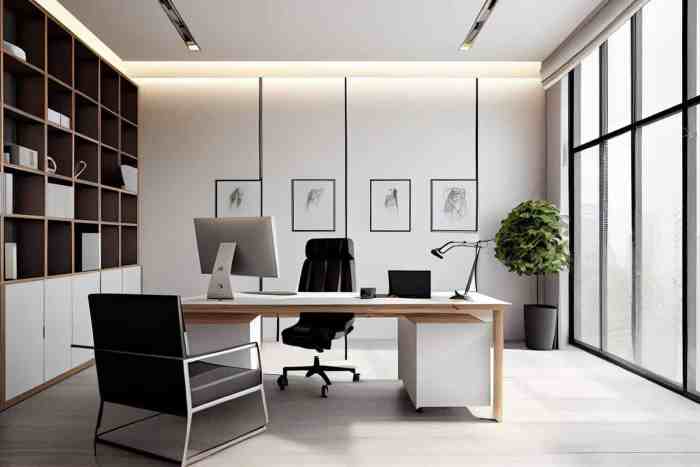
In conclusion, office room design plays a pivotal role in shaping work environments that foster productivity, creativity, and collaboration. By combining functionality with aesthetics and staying abreast of modern trends, businesses can create spaces that not only enhance employee well-being but also reflect the company's identity and values.
As you embark on your office design journey, remember that the possibilities are endless when it comes to creating a workspace that inspires and motivates all who inhabit it.
Top FAQs
What role does natural light play in office room design?
Natural light is essential for creating a welcoming and energizing workspace. It can enhance mood, boost productivity, and reduce the need for artificial lighting.
How can plants improve the aesthetics of an office space?
Plants not only add a decorative touch to the office but also help purify the air, reduce stress, and increase overall well-being of employees.
What are some tips for balancing functionality and aesthetics in office room design?
To achieve a harmonious balance, consider incorporating multifunctional furniture, utilizing storage solutions effectively, and maintaining a clutter-free environment while adding personal touches that reflect the company's brand.