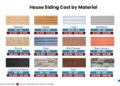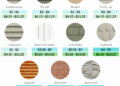

Delve into the realm of low-cost siding options with this detailed guide that uncovers the secrets behind affordable and quality siding materials. From installation techniques to design considerations, this article sheds light on all aspects related to budget-friendly siding options.
Types of low-cost siding options
When it comes to choosing siding options on a budget, there are several materials to consider. Each type of siding material comes with its own set of pros and cons, so it's important to weigh your options carefully before making a decision.
Vinyl Siding
- Example: Vinyl panels
- Pros: Affordable, easy to install, low maintenance
- Cons: Not as durable as other materials, can fade over time
Fiber Cement Siding
- Example: HardiePlank
- Pros: Resistant to fire, insects, and rot, long-lasting
- Cons: Higher initial cost compared to vinyl, requires painting
Engineered Wood Siding
- Example: LP SmartSide
- Pros: Mimics the look of real wood, cost-effective
- Cons: Prone to moisture damage if not properly maintained
Aluminum Siding
- Example: Aluminum panels
- Pros: Lightweight, easy to clean, durable
- Cons: Can dent easily, may require painting over time
Installation methods for low-cost siding options
When it comes to installing low-cost siding options, there are several techniques you can consider to save money. Whether you choose to do it yourself or hire a professional, it's essential to understand the installation process to ensure the longevity and quality of your siding.
DIY Installation Techniques
If you're looking to save money, DIY installation can be a cost-effective option for installing low-cost siding. Here are some tips for successful DIY installation:
- Ensure you have the necessary tools and equipment before starting the installation process.
- Follow manufacturer instructions carefully to ensure proper installation.
- Take accurate measurements and cut the siding material precisely to fit your walls.
- Secure the siding properly to prevent any damage or warping over time.
Cost Comparison: Professional vs. DIY Installation
While hiring a professional installer may guarantee a faster and more precise installation, it comes at a higher cost. On the other hand, DIY installation can save you money but requires time, effort, and attention to detail. Consider the pros and cons of each option before making a decision.
Tips for Ensuring Proper Installation
To ensure the proper installation of low-cost siding options, consider the following tips:
- Inspect your walls for any damage or issues before installing siding.
- Use quality materials that are suitable for your climate and environment.
- Seal gaps and joints properly to prevent moisture infiltration.
- Regularly maintain and clean your siding to prolong its lifespan.
Maintenance and durability of low-cost siding options
When it comes to low-cost siding options, maintenance and durability play a crucial role in determining the overall value and longevity of the material. Understanding the maintenance requirements and lifespan of each type of budget-friendly siding is essential for homeowners looking to make a wise investment.
Maintenance Requirements for Low-Cost Siding Options
Proper maintenance is key to ensuring the longevity of low-cost siding options. Here are the maintenance requirements for some common budget-friendly siding materials:
- Vinyl Siding: Vinyl siding is relatively low maintenance, requiring occasional cleaning with a mild detergent and water. Inspecting for cracks or damage and addressing them promptly can help extend its lifespan.
- Fiber Cement Siding: Fiber cement siding is durable but may require repainting every 10-15 years. Regular cleaning with a hose and mild soap can help prevent dirt buildup and maintain its appearance.
- Engineered Wood Siding: Engineered wood siding should be inspected regularly for signs of moisture damage or rot. Applying a fresh coat of paint or sealant every few years can help protect it from the elements.
Durability and Lifespan of Low-Cost Siding Options
The durability and lifespan of low-cost siding options vary depending on the material and maintenance practices. Here's an overview of the typical lifespan for each type:
- Vinyl Siding: Vinyl siding can last 20-40 years with proper maintenance.
- Fiber Cement Siding: Fiber cement siding is known for its durability and can last 30-50 years or more.
- Engineered Wood Siding: Engineered wood siding can last 20-30 years with regular maintenance and upkeep.
Tips to Extend the Lifespan of Low-Cost Siding Materials
To maximize the lifespan of low-cost siding materials, consider the following tips:
- Regularly inspect the siding for damage and address any issues promptly.
- Clean the siding at least once a year to prevent dirt buildup and maintain its appearance.
- Trim vegetation around the siding to prevent moisture retention and potential damage.
- Apply a fresh coat of paint or sealant as needed to protect the siding from the elements.
Aesthetics and design considerations for low-cost siding options
When it comes to low-cost siding options, aesthetics and design play a crucial role in enhancing the overall look of your home. Choosing the right color, style, and design can make a significant difference in the curb appeal of your property without breaking the bank.
Different design options available with budget-friendly siding materials
- Wood-look vinyl siding: Vinyl siding comes in a variety of colors and textures that mimic the look of natural wood without the high cost of real wood siding.
- Fiber cement siding: This durable material can be designed to resemble wood, stucco, or even stone, offering a versatile option for budget-conscious homeowners.
- Engineered wood siding: Engineered wood products like LP SmartSide provide an affordable alternative to traditional wood siding while offering a range of design options.
How to choose the right color and style for low-cost siding
- Consider the architectural style of your home: Choose siding colors and styles that complement the overall design of your house.
- Take into account your surroundings: Look at the neighboring homes and natural landscape to select a siding color that harmonizes with the environment.
- Sample before committing: Test out different colors and styles by obtaining samples or using visualization tools to ensure you are happy with the final choice.
Examples of budget-friendly siding options that mimic more expensive materials
- Brick veneer siding: Brick veneer provides the classic look of brick at a fraction of the cost, making it an attractive option for budget-conscious homeowners.
- Stone-look vinyl siding: Vinyl siding can be manufactured to replicate the appearance of natural stone, offering a cost-effective alternative to real stone siding.
- Metal siding with wood grain finish: Metal siding with a wood grain finish gives the appearance of real wood while providing the durability and low maintenance of metal siding.
Last Word
In conclusion, low-cost siding options offer a practical and economical solution for homeowners looking to enhance the appearance and durability of their homes without breaking the bank. By choosing the right material, installation method, and maintenance routine, you can enjoy the benefits of budget-friendly siding for years to come.
Q&A
What are the most common types of low-cost siding options?
Common types include vinyl, fiber cement, and engineered wood siding.
Is DIY installation recommended for low-cost siding options?
DIY installation can be cost-effective, but it's crucial to follow proper guidelines for a successful outcome.
How long can low-cost siding options last?
The lifespan varies based on the material, but with proper maintenance, they can last for several decades.
What design options are available for budget-friendly siding materials?
Design options include various colors, textures, and styles to suit different architectural preferences.