

Embark on a journey into the world of architecture with a focus on the iconic works of Pierre Koenig. Delve into his innovative designs and lasting influence on modern architecture as we unravel the story behind this visionary architect.
Unveil the architectural masterpieces and revolutionary concepts that define Pierre Koenig's legacy in the realm of design and construction.
Who is Pierre Koenig?
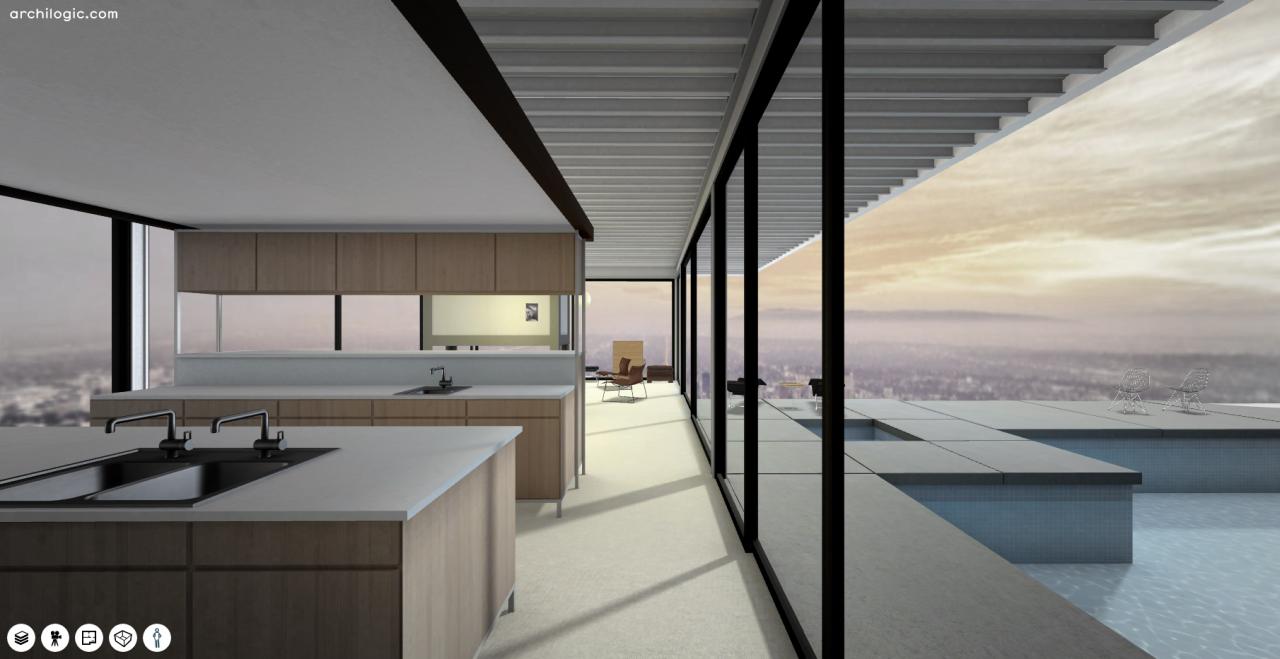
Pierre Koenig was an American architect known for his significant contributions to modern architecture. He was born in San Francisco in 1925 and later moved to Los Angeles, where he studied architecture at the University of Southern California. Koenig's work is characterized by clean lines, open spaces, and the innovative use of materials such as steel and glass.
Architectural Style and Influences
Pierre Koenig's architectural style was heavily influenced by the modernist movement, particularly the work of architects like Mies van der Rohe and Richard Neutra. He believed in the importance of blending form and function, creating buildings that were both aesthetically pleasing and practical.
Koenig's use of steel and glass allowed him to create structures that appeared light and airy, with a focus on transparency and simplicity.
Notable Works
One of Pierre Koenig's most famous works is the Stahl House, also known as Case Study House #22, located in the Hollywood Hills. This iconic home showcases Koenig's talent for integrating indoor and outdoor spaces, as well as his mastery of steel construction.
Another notable project is the Bailey House, which features a cantilevered design that seems to float above the landscape.
Impact on Modern Architecture
Pierre Koenig's work has had a lasting impact on modern architecture and design. His innovative use of materials and his emphasis on simplicity and functionality have inspired countless architects and designers. Koenig's ability to create spaces that feel both timeless and contemporary continues to influence the way we think about architecture today.
Architectural Style
Pierre Koenig's architectural style is characterized by clean lines, geometric shapes, and the innovative use of materials such as steel and glass. He is best known for his modernist designs that often feature open floor plans, floor-to-ceiling windows, and a seamless integration of indoor and outdoor spaces.
Comparison with Other Influential Architects
While Pierre Koenig was influenced by the modernist movement led by architects like Mies van der Rohe and Le Corbusier, he distinguished himself with his focus on creating affordable, practical homes that embraced the California lifestyle. Unlike some of his contemporaries who prioritized grandeur and exclusivity, Koenig's designs were more accessible to the average homeowner.
Key Characteristics
- Minimalist aesthetic
- Emphasis on functionality and practicality
- Integration of indoor and outdoor spaces
- Use of steel and glass for a sleek, industrial look
- Attention to detail and craftsmanship
Examples of Buildings
Some of Pierre Koenig's most famous works include the Stahl House (Case Study House #22), the Bailey House (Case Study House #21), and the Koenig House II. These buildings showcase his unique architectural approach, blending modernist principles with a focus on livability and affordability.
Case Study: Stahl House (Case Study House #22)
The Stahl House, also known as Case Study House #22, is one of Pierre Koenig's most famous architectural works. Located in the Hollywood Hills of Los Angeles, California, this iconic modernist home was completed in 1960.
Design and Construction
The Stahl House was designed as part of the Case Study House Program, which aimed to create affordable and innovative housing solutions after World War II. Pierre Koenig's design for the Stahl House featured a simple rectangular floor plan with floor-to-ceiling glass walls that offered stunning panoramic views of the city below
The house was perched on a steep hillside, challenging traditional construction methods.
Significance in Pierre Koenig’s Career and Modern Architecture
The Stahl House is considered a masterpiece of mid-century modern architecture and a symbol of the California lifestyle. Its clean lines, open floor plan, and integration with nature exemplify Koenig's commitment to functionalism and minimalism. The house has been featured in numerous films, fashion shoots, and design publications, solidifying its place in architectural history.
Materials, Structural Elements, and Innovative Features
The Stahl House was constructed using steel framing, glass walls, and concrete floors, showcasing Koenig's expertise in utilizing industrial materials in residential design. The cantilevered structure of the house creates a sense of weightlessness and transparency, blurring the boundaries between indoor and outdoor spaces.
The innovative use of glass walls allows natural light to flood the interior, creating a sense of openness and connection to the surrounding landscape.
Legacy and Influence

Pierre Koenig's architectural legacy is deeply rooted in his innovative approach to modernist design, which continues to influence architects and designers to this day. His work is celebrated for its clean lines, integration of industrial materials, and seamless connection between indoor and outdoor spaces.
Impact on Contemporary Architects and Designers
- Koenig's emphasis on functionality and simplicity serves as a guiding principle for many contemporary architects seeking to create timeless and sustainable structures.
- His use of steel and glass in residential design has inspired a generation of architects to explore new possibilities in materiality and construction techniques.
- The iconic Stahl House, also known as Case Study House #22, continues to be a source of inspiration for its innovative use of space and its ability to capture the essence of modern living.
Contribution to the Built Environment
- Koenig's architectural contributions have had a lasting impact on the built environment, shaping the way we interact with and experience spaces in urban settings.
- His designs often blur the boundaries between inside and outside, creating a sense of openness and fluidity that has become a hallmark of modern architecture.
- By pushing the boundaries of traditional design conventions, Koenig has left a legacy of innovation and creativity that continues to shape the architectural landscape today.
Closing Notes

In conclusion, the enduring impact of Pierre Koenig's architectural genius resonates through the ages, shaping the way we perceive and interact with the built environment. His innovative spirit continues to inspire future generations of architects and design enthusiasts alike.
FAQ Guide
Who was Pierre Koenig?
Pierre Koenig was a renowned architect known for his modernist designs and innovative approach to architecture, particularly in the mid-20th century.
What were some of Pierre Koenig's notable works?
Some of Pierre Koenig's notable works include the Stahl House (Case Study House #22) and the iconic Bailey House.
How did Pierre Koenig's work impact modern architecture?
Pierre Koenig's work revolutionized modern architecture by embracing new materials, minimalist design principles, and innovative structural solutions that continue to influence architectural trends today.