
Exploring the world of mobile home vinyl siding installation, this guide dives deep into the benefits, techniques, and maintenance tips for a successful project. From understanding the importance of proper installation to discussing common issues and solutions, this comprehensive overview is a must-read for anyone considering vinyl siding for their mobile home.
Detailing the steps involved in preparation, installation, and care, this guide aims to equip readers with the knowledge and tools necessary to tackle a vinyl siding project with confidence and precision.
Introduction to Mobile Home Vinyl Siding Installation
When it comes to mobile homes, vinyl siding is a popular choice due to its durability, low maintenance, and aesthetic appeal. Installing vinyl siding correctly is crucial to ensure longevity and protection for your mobile home.
Benefits of Vinyl Siding for Mobile Homes
- Vinyl siding is resistant to rot, mold, and insects, making it ideal for mobile homes that may be more exposed to the elements.
- It requires minimal upkeep compared to other siding materials, saving you time and money in the long run.
- With a wide range of colors and styles available, vinyl siding can enhance the overall look of your mobile home.
Proper Installation Techniques for Durability
- Ensure proper insulation and moisture barrier installation to prevent water damage and improve energy efficiency.
- Use the correct tools and techniques for cutting, fitting, and securing the vinyl siding to avoid warping or gaps.
- Follow manufacturer guidelines for spacing, overlap, and fastening to maintain structural integrity.
Tools Required for Vinyl Siding Installation on Mobile Homes
- Vinyl siding panels and trim pieces
- Tin snips or utility knife for cutting
- Level and chalk line for accurate alignment
- Hammer or nail gun for fastening
- J-channel, corner posts, and other accessories for finishing touches
Preparation for Installation
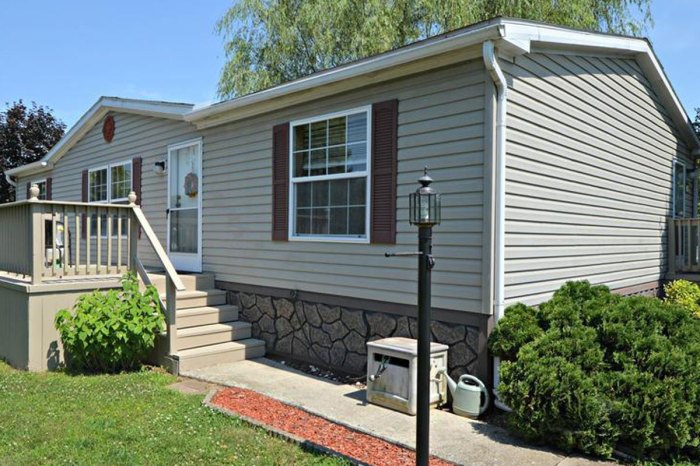
Before starting the installation of vinyl siding on your mobile home, it is crucial to properly prepare the exterior walls to ensure a smooth and successful process.
Measuring and Estimating Siding Materials
To determine the amount of vinyl siding needed for your mobile home, follow these steps:
- Measure the width and height of each wall where siding will be installed.
- Calculate the square footage of each wall by multiplying the width by the height.
- Add up the square footage of all walls to get the total square footage needed for siding.
- Factor in any windows, doors, or other openings that will not be covered by siding when estimating materials.
Inspecting Exterior Walls
Before installing vinyl siding, it is essential to inspect the exterior walls of your mobile home for any damage or issues that need to be addressed:
- Check for signs of rot, mold, or water damage on the walls.
- Repair any damaged areas and ensure that the walls are structurally sound before proceeding with the installation.
- Remove any existing siding or trim that may interfere with the installation of the new vinyl siding.
- Make sure the walls are clean and free of debris to provide a smooth surface for the siding to adhere to.
Installation Process
When it comes to installing vinyl siding on a mobile home, there are several key steps to follow to ensure a successful and long-lasting installation.
Starting the Installation Process
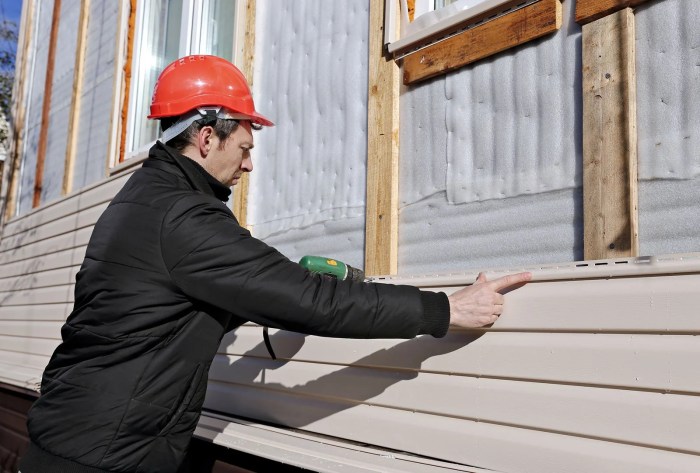
- Begin by preparing the exterior of the mobile home, making sure it is clean and free of any debris or obstructions.
- Measure and cut the vinyl siding panels to the appropriate length, ensuring a proper fit around the entire home.
- Start at the bottom of the home and work your way up, overlapping the siding panels to create a seamless appearance.
Working Around Windows, Doors, and Corners
- When reaching windows and doors, carefully cut the siding to fit around them, making sure to leave a small gap for expansion and contraction.
- Use J-channels and corner posts to neatly finish off edges and corners, providing a polished look to the overall installation.
- Properly flash around windows and doors to prevent water infiltration and ensure a weather-tight seal.
Securing the Vinyl Siding
- Use nails or screws to secure the vinyl siding panels to the mobile home, making sure to follow manufacturer guidelines for proper fastening.
- Avoid overdriving or underdriving the fasteners, as this can lead to issues with the siding in the future.
- Regularly check and re-secure any loose or damaged siding panels to prevent them from coming off or causing further damage.
Maintenance and Care
Vinyl siding on a mobile home can enhance its appearance and protect it from the elements. To ensure your vinyl siding lasts for years to come, proper maintenance and care are essential. Here are some tips on how to maintain and care for your mobile home vinyl siding:
Cleaning and Maintenance
- Regularly clean the vinyl siding with a mixture of mild soap and water to remove dirt, grime, and mold. Avoid using harsh chemicals or abrasive materials that can damage the siding.
- Inspect the siding for any signs of damage such as cracks, chips, or loose panels. Repair or replace damaged sections promptly to prevent further issues.
- Trim any overgrown vegetation near the siding to prevent mold and mildew growth. Ensure proper ventilation to prevent moisture buildup behind the siding.
Common Issues and Solutions
- Warped or buckled siding: This may occur due to extreme heat or improper installation. To address this issue, consider adding insulation behind the siding or replacing the affected panels.
- Fading or discoloration: Over time, vinyl siding may fade or change color. To maintain its appearance, consider using a vinyl siding cleaner and protectant to restore its color and shine.
- Dents or scratches: Minor dents or scratches can be repaired using a heat gun to reshape the vinyl. For deeper scratches, consider replacing the damaged panels.
Weather Protection
- During hot weather, avoid placing grills or other heat sources too close to the siding to prevent melting or warping. Use caution when using pressure washers to clean the siding, as high pressure can damage the vinyl.
- In cold weather, be mindful of ice buildup on the siding, which can cause cracks or damage. Use a gentle touch when removing ice or snow to avoid causing harm to the vinyl.
- During extreme weather conditions such as storms or strong winds, inspect the siding for any loose panels or damage. Secure any loose sections to prevent further issues.
Closing Summary
In conclusion, mobile home vinyl siding installation offers a durable and visually appealing solution for homeowners. By following the tips and techniques Artikeld in this guide, individuals can enhance the appearance and longevity of their mobile homes with ease. Take the first step towards transforming your mobile home today with vinyl siding installation.
Questions and Answers
What are the benefits of vinyl siding for mobile homes?
Vinyl siding is durable, low-maintenance, and comes in a variety of colors and styles to enhance the appearance of mobile homes.
How do I estimate the amount of vinyl siding needed for my mobile home?
Measure the length and height of each wall, multiply for square footage, and add 10% for waste. Divide by the coverage of one box of siding to get the number of boxes needed.
What are some common issues that may arise with vinyl siding on mobile homes?
Issues like warping, fading, or loose panels can occur. Regular inspection and maintenance can help address these problems early.
How can I protect vinyl siding from damage in different weather conditions?
Using proper cleaning techniques, ensuring good ventilation, and addressing any damage promptly can help protect vinyl siding from weather-related issues.