
Cost to get vinyl siding installed sets the stage for this enthralling narrative, offering readers a glimpse into a story that is rich in detail with casual formal language style and brimming with originality from the outset.
When it comes to revamping your home's exterior, vinyl siding is a popular choice. However, understanding the costs involved in getting vinyl siding installed is crucial. From the factors influencing costs to average estimations and cost-saving tips, this guide dives deep into everything you need to know about the financial aspect of vinyl siding installation.
Factors Influencing Cost
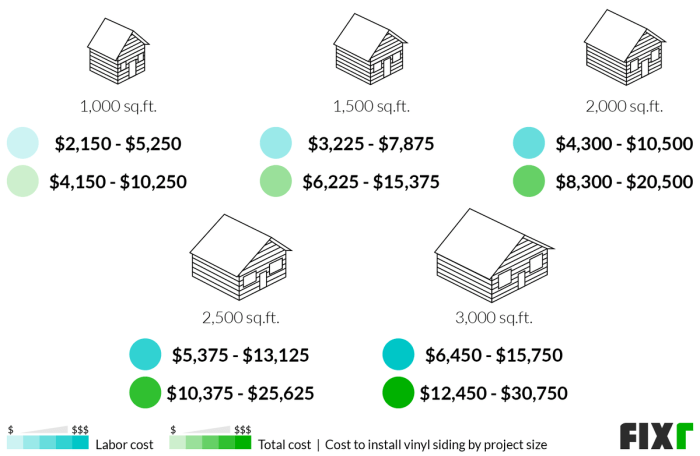
When considering the cost of installing vinyl siding, several factors come into play that can influence the overall price. Factors such as the size of the house, the quality of materials used, and labor costs all play a significant role in determining the final cost.
Additionally, the inclusion of extra features like insulation or intricate trim work can also impact the overall cost.
Size of the House
The size of the house is a major factor in determining the cost of installing vinyl siding. Larger homes require more materials and labor, resulting in higher overall costs. The square footage of the house directly correlates to the amount of siding needed, driving up the cost for larger properties.
Quality of Materials
The quality of materials used for vinyl siding can greatly affect the cost of installation. Higher-quality materials tend to be more durable and visually appealing, but they also come with a higher price tag. Opting for premium materials can increase the overall cost of the project, while choosing more budget-friendly options may help lower expenses.
Labor Costs
Labor costs are another significant factor influencing the total cost of installing vinyl siding. Experienced and skilled laborers may charge higher rates for their services, but their expertise can result in a higher-quality installation. On the other hand, hiring less experienced or lower-priced laborers may reduce costs initially but could lead to subpar results and potential additional expenses in the long run.
Additional Features
Incorporating additional features such as insulation or intricate trim work can also impact the overall cost of installing vinyl siding. While these features can enhance the functionality and aesthetics of the siding, they come with added costs. Insulation, for example, can improve energy efficiency but requires additional materials and labor, increasing the total project cost.
Average Cost Estimations
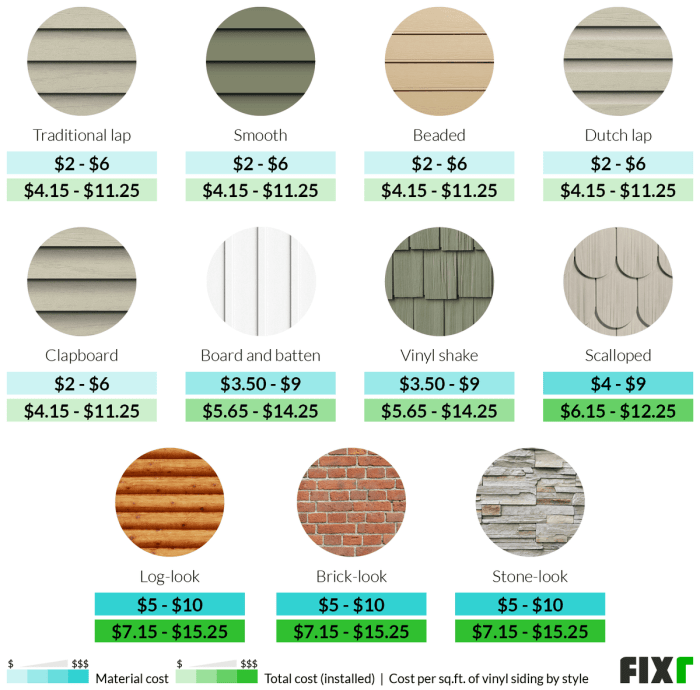
When it comes to vinyl siding installation, the average cost per square foot can vary depending on the quality of the material and the region where you live. On average, the cost ranges from $3 to $7 per square foot, including labor costs.
Cost Differences Among Vinyl Siding Options
- Basic Vinyl Siding: Basic vinyl siding options typically cost around $3 to $4 per square foot. These options are budget-friendly and offer decent durability and aesthetic appeal.
- Mid-Range Vinyl Siding: Mid-range vinyl siding options fall in the range of $4 to $6 per square foot. These options offer more variety in terms of colors and styles while providing better durability than basic options.
- High-End Vinyl Siding: High-end vinyl siding can cost anywhere from $6 to $7 per square foot. These premium options come with advanced features like enhanced durability, better insulation, and a wider range of design choices.
Regional Variations in Costs
In addition to the quality of the vinyl siding, the region where you live can also impact the overall cost of installation. For example, areas with higher labor costs or stricter building codes may have higher installation costs compared to regions with lower costs.
It's essential to consider these regional variations when budgeting for your vinyl siding project.
Cost Breakdown
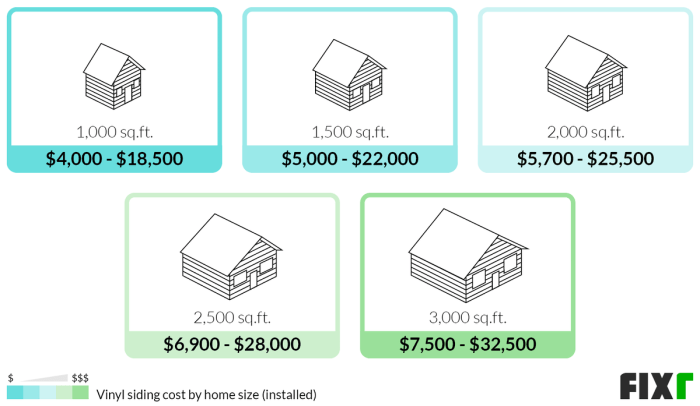
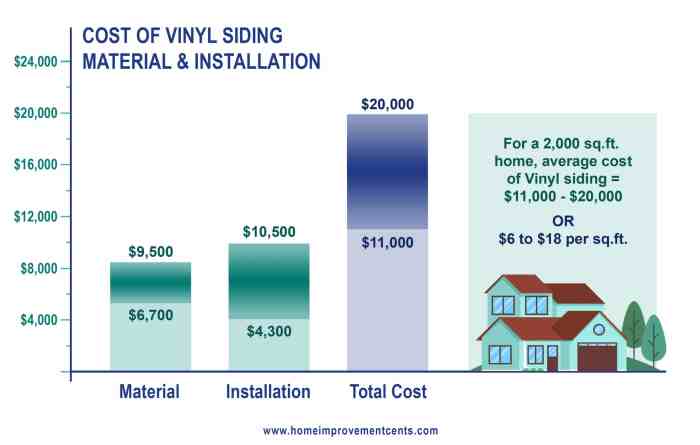
When it comes to the cost of getting vinyl siding installed, it is important to understand the breakdown of costs between materials and labor. Typically, the overall cost can be divided into material costs and labor costs, with a certain percentage allocated to each.Material costs usually account for about 40% to 60% of the total cost, while labor costs make up the remaining 40% to 60%.
This breakdown may vary depending on factors such as the complexity of the installation, the type of siding chosen, and the region where the work is being done
Examples of Cost Breakdown Scenarios
- For a small house with a total installation cost of $10,000, material costs may be around $4,000 to $6,000, while labor costs could range from $4,000 to $6,000.
- On the other hand, for a larger house with a total installation cost of $20,000, material costs might be in the range of $8,000 to $12,000, with labor costs falling between $8,000 to $12,000 as well.
- In a scenario where a premium vinyl siding option is chosen for a medium-sized house with a total cost of $15,000, material costs could be approximately $6,000 to $9,000, leaving labor costs at around $6,000 to $9,000.
Cost-Saving Tips
When it comes to vinyl siding installation, there are several strategies you can use to reduce costs. Whether you're considering a DIY approach or negotiating with contractors, there are ways to save money while still achieving a high-quality result.
Consider DIY Installation
If you have some experience with home improvement projects, tackling vinyl siding installation yourself can lead to significant cost savings. However, it's essential to have the right tools, knowledge, and skills to ensure a successful outcome. Keep in mind that mistakes can be costly to fix, so weigh the pros and cons carefully before deciding to go the DIY route.
Negotiate with Contractors
When hiring professionals for vinyl siding installation, don't hesitate to negotiate for better pricing or discounts. Obtain multiple quotes from different contractors and compare their offers. You can also try to negotiate a lower price based on the scope of work, materials used, or even the timing of the project.
Building a good rapport with contractors and being flexible with your requirements can sometimes lead to cost savings.
Opt for Off-Season Installation
Consider scheduling your vinyl siding installation during the off-season to potentially secure lower prices. Contractors may be more willing to offer discounts or promotions during slower months when demand is lower. By planning your project strategically, you can take advantage of cost savings opportunities without compromising on quality.
Maintain and Repair Existing Siding
Before opting for a complete vinyl siding replacement, assess the condition of your current siding. In some cases, minor repairs and maintenance can extend the lifespan of your existing siding, saving you money in the short term. By addressing issues promptly and keeping your siding well-maintained, you can delay the need for a full replacement and reduce overall costs.
Summary
In conclusion, navigating the costs of vinyl siding installation can seem daunting, but with the right information and strategies, you can make informed decisions that align with your budget and preferences. Whether you're looking to enhance your home's curb appeal or increase its energy efficiency, the investment in vinyl siding is one that pays off in the long run.
FAQ Overview
What factors influence the cost of installing vinyl siding?
The size of the house, quality of materials, labor costs, and additional features like insulation or trim work can impact the overall cost.
What are the average cost estimates per square foot for vinyl siding installation?
Costs vary between basic, mid-range, and high-end options, with regional variations also affecting the overall budget.
How is the cost breakdown typically divided for vinyl siding installation?
The overall cost is divided into material costs and labor costs, with examples provided for different house sizes.
Are there any cost-saving tips for vinyl siding installation?
Strategies include considering DIY options, negotiating with contractors for better pricing, and exploring potential savings compared to professional installation.