
Diving into the world of siding installation contractors, this introduction sets the stage for a comprehensive look at their importance and impact on home improvement projects. From enhancing aesthetics to ensuring functionality, these professionals play a crucial role in transforming properties.
Let's delve deeper into the realm of siding installation contractors and uncover the key aspects that make them indispensable in the realm of construction and renovation.
As we navigate through the nuances of siding installation contractors, we'll uncover the intricacies of their work and the value they bring to any project.
Importance of Siding Installation Contractors
When it comes to home improvement projects, siding installation contractors play a crucial role in enhancing the overall appearance and functionality of a property. Their expertise and skills in installing various types of siding materials contribute significantly to the durability and aesthetics of a home.
Contributions to Aesthetics and Functionality
Siding installation contractors are trained professionals who understand the importance of choosing the right siding materials that not only complement the design of a property but also provide added protection against elements such as weather, pests, and moisture. By installing siding properly, contractors can improve the energy efficiency of a home, reduce maintenance costs, and increase property value.
Benefits of Hiring Professional Contractors
- Expertise: Professional siding installation contractors have the knowledge and experience to handle complex installations and ensure proper insulation and ventilation.
- Quality Workmanship: Hiring professionals guarantees a high-quality finish and reduces the risk of costly mistakes that can occur during a DIY project.
- Time-Saving: Contractors work efficiently and complete projects in a timely manner, saving homeowners valuable time and effort.
- Warranty: Most professional contractors offer warranties on their work, providing peace of mind to homeowners in case of any issues post-installation.
When choosing a siding installation contractor, it is crucial to consider various factors that can impact the quality of the work and the overall experience. Here are some key qualities to look for in a siding installation contractor:
Experience
Experience plays a vital role in the quality of work provided by a siding installation contractor. Look for contractors who have a proven track record of successful projects and years of experience in the industry. An experienced contractor is more likely to handle unexpected challenges effectively and deliver high-quality results.
Licenses and Certifications
A reliable siding installation contractor should hold the necessary licenses and certifications required to operate in your area. These credentials ensure that the contractor meets the industry standards and regulations, giving you peace of mind that the work will be done professionally and according to code.
Insurance and Warranties
Insurance and warranties are essential when selecting a siding installation contractor. Make sure the contractor is fully insured to protect you from liability in case of accidents or damages during the project. Additionally, inquire about the warranties offered on the materials and workmanship to ensure that you are covered in case of any issues in the future.
Reviews and Referrals
Reviews and referrals from previous clients can provide valuable insights into the reputation and reliability of a siding installation contractor. Take the time to read online reviews and ask for referrals from friends or family who have worked with the contractor before.
Positive reviews and referrals are a good indicator of a contractor's professionalism and quality of work.
Steps Involved in Siding Installation
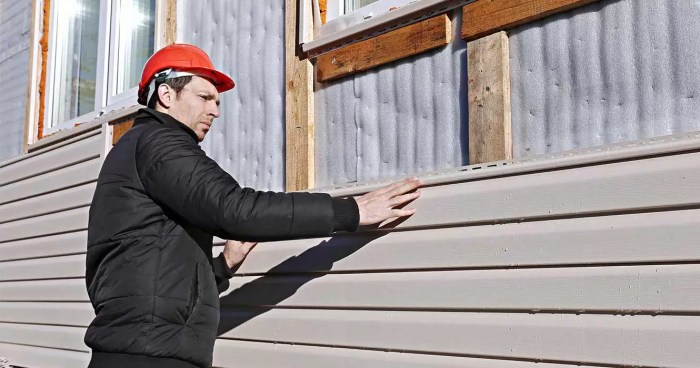
Installing siding involves several key steps that ensure a successful and durable outcome. From preparation work to selecting the right materials, each stage plays a crucial role in the overall process.
Preparation Work
Before the actual siding installation begins, thorough preparation work is essential. This includes:
- Inspecting the current exterior for any damage or issues that need to be addressed before installation.
- Cleaning the surface to remove dirt, debris, and any existing paint or siding that may interfere with the new installation.
- Repairing any damaged areas, such as rot or mold, to ensure a solid foundation for the new siding.
- Measuring the area accurately to determine the amount of siding material needed for the project.
Types of Siding Materials
There are various siding materials available, each with its unique characteristics and installation processes. Some common types include:
- Vinyl Siding: Known for its durability, low maintenance, and wide range of colors. Installation involves securing the siding panels to the exterior of the building.
- Fiber Cement Siding: Made from a mixture of cement, sand, and cellulose fibers, this siding is resistant to fire, insects, and rot. Installation requires special tools to cut and secure the heavy panels.
- Wood Siding: Offers a natural and traditional look, but requires more maintenance to prevent rot and insect damage. Installation involves overlapping wooden planks or panels.
- Aluminum Siding: Lightweight and durable, aluminum siding is resistant to rust and corrosion. Installation involves securing the aluminum panels to the exterior walls.
- Composite Siding: Made from a combination of wood fibers and resin, composite siding offers the look of wood with added durability and low maintenance. Installation is similar to wood siding but with added benefits of longevity.
Common Challenges Faced by Siding Installation Contractors
Weather conditions, structural issues, and material availability are some of the common challenges that siding installation contractors may face during a project. These challenges can impact the timeline, budget, and overall success of the installation. However, with the right strategies and solutions, contractors can overcome these obstacles and ensure a smooth and successful siding installation project.
Weather Conditions
Weather conditions such as rain, snow, or extreme temperatures can affect the installation process and the quality of the work. To overcome this challenge, contractors can monitor weather forecasts closely and plan the installation schedule accordingly. It is important to work during favorable weather conditions to prevent delays and ensure the safety of the workers.
Structural Issues
Structural issues in the building, such as rotting wood, mold, or uneven surfaces, can pose challenges during siding installation. Contractors should conduct a thorough inspection of the structure before starting the installation to identify any underlying issues. Addressing these issues promptly and using proper techniques and materials can help prevent further damage and ensure a successful installation.
Material Availability
Availability of siding materials can also be a challenge for contractors, especially if there are supply chain disruptions or delays. To overcome this challenge, contractors can work closely with suppliers to ensure the timely delivery of materials. It is also important to have backup plans in place and to source materials from multiple suppliers if needed to avoid project delays.
Tips for Ensuring a Smooth Installation Project
- Communicate effectively with the client to set clear expectations and timelines.
- Work with a skilled and experienced team to ensure quality workmanship.
- Use high-quality materials that are suitable for the project requirements.
- Follow industry best practices and safety guidelines throughout the installation process.
- Stay organized and plan ahead to avoid last-minute issues or delays.
Final Conclusion
In conclusion, siding installation contractors are the unsung heroes of home improvement, blending artistry with functionality to create lasting impressions. Their expertise and dedication shine through in every project, making them an essential part of any renovation journey.
Popular Questions
What qualifications should I look for in a siding installation contractor?
A reliable contractor should possess experience, licenses, certifications, insurance, and warranties to ensure a smooth and successful project.
How do siding installation contractors contribute to the aesthetics of a property?
By using different siding materials and installation techniques, contractors enhance the visual appeal of a property, giving it a fresh and attractive look.
What are some common challenges faced by siding installation contractors?
Weather conditions, structural issues, and material availability are common challenges. Contractors can overcome these by implementing effective strategies and meticulous planning.