
Delve into the world of unique properties in real estate, where ordinary homes are transformed into extraordinary marvels. From historical gems to eco-friendly havens, discover the allure of these distinct properties that captivate buyers and redefine the traditional real estate market.
Unique Properties in Real Estate
Unique properties in the real estate market are those that possess distinctive features or characteristics that set them apart from the rest. These properties often have unconventional layouts, historical significance, breathtaking views, or unique architectural designs that make them stand out in a sea of traditional homes.
Examples of Unique Features
- Converted churches, schools, or warehouses into residential homes
- Properties with panoramic views of the ocean, mountains, or city skyline
- Homes with unique architectural elements like domes, turrets, or glass walls
- Historical properties with rich cultural heritage or significant past owners
Impact on Property Value and Buyer Interest
Unique properties tend to command higher prices in the market due to their rarity and exclusivity. Buyers are often willing to pay a premium for a one-of-a-kind property that offers something different from the cookie-cutter homes available. The scarcity of unique properties also contributes to their desirability and can lead to increased buyer interest and competition.
Marketing Strategies for Unique Properties
- Highlight the unique features and selling points of the property in marketing materials
- Utilize professional photography and virtual tours to showcase the property in its best light
- Target niche markets or specialized buyers who appreciate the uniqueness of the property
- Collaborate with real estate agents who have experience selling unique properties
Types of Unique Properties
Unique properties come in various forms, each with its own set of characteristics that make them stand out in the real estate market. Let's explore some of the different types of unique properties and the challenges and benefits that come with owning them.
Historical Homes
Historical homes are properties that have significant architectural, cultural, or historical value. These properties often feature unique design elements, craftsmanship, and materials that are not commonly found in modern homes. While owning a historical home can be a rewarding experience, it also comes with challenges such as the need for regular maintenance and preservation to uphold its historical integrity.
Converted Warehouses
Converted warehouses are industrial spaces that have been repurposed into residential or commercial properties. These properties often boast spacious interiors, high ceilings, and large windows that create a unique living or working environment. However, challenges may include issues with insulation, noise, and zoning regulations due to the property's industrial past.
Eco-Friendly Homes
Eco-friendly homes are properties designed to minimize their environmental impact through sustainable features such as solar panels, energy-efficient appliances, and green building materials. Owning an eco-friendly home can lead to cost savings on energy bills and a reduced carbon footprint.
However, challenges may arise in terms of initial costs for installing green technologies and the need for ongoing maintenance to ensure their efficiency.
Architectural Features and Design
When it comes to real estate, architectural features and design play a crucial role in making a property unique and appealing to potential buyers. Innovative architectural designs can set properties apart from the rest, while preserving architectural uniqueness in historical properties adds to their charm and value.
Additionally, design trends greatly influence the uniqueness of modern real estate properties, reflecting current tastes and preferences in the market.
Importance of Architectural Features
Architectural features such as unique facades, intricate detailing, and innovative layouts can make a property stand out in a competitive market. These features not only enhance the visual appeal of the property but also contribute to its overall value and marketability.
For example, a property with a contemporary design incorporating sustainable materials and energy-efficient features may attract environmentally conscious buyers looking for a modern and eco-friendly home.
Examples of Innovative Architectural Designs
- The Fallingwater House designed by Frank Lloyd Wright, known for its integration with nature and cantilevered construction.
- The Burj Khalifa in Dubai, the tallest building in the world, showcasing futuristic architecture and cutting-edge design.
- The Guggenheim Museum in Bilbao, Spain, designed by Frank Gehry, featuring a unique titanium-clad exterior that has become an architectural icon.
Preserving Architectural Uniqueness in Historical Properties
Historical properties often boast unique architectural features that reflect the time period in which they were built. Preserving these features, such as original moldings, stained glass windows, and ornate woodwork, is essential to maintaining the property's historical integrity and value.
Renovations should be done carefully to retain the property's architectural charm while incorporating modern amenities for comfort and convenience.
Influence of Design Trends on Modern Properties
Design trends play a significant role in shaping the uniqueness of modern real estate properties. From open-concept layouts and smart home technology to minimalist aesthetics and sustainable design practices, current trends influence the way properties are designed and marketed to appeal to contemporary buyers.
Staying informed about these trends can help property developers and homeowners create spaces that are both stylish and functional in today's competitive market.
Location and Setting
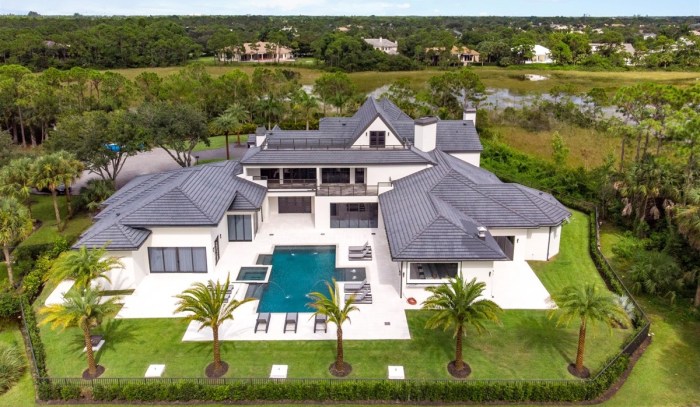
When it comes to real estate, the location and setting of a property play a crucial role in determining its uniqueness and desirability. Whether it's a waterfront villa with stunning ocean views or a secluded cabin nestled in the mountains, the surroundings of a property can greatly enhance its appeal to potential buyers.
Impact of Natural Surroundings
The natural surroundings of a property, such as waterfront views, mountain vistas, or lush forests, can have a significant impact on its desirability. Properties with breathtaking natural settings often command higher prices and attract buyers seeking a peaceful and picturesque living experience.
For example, a beachfront property with private access to the ocean can offer a luxurious and exclusive lifestyle that is highly sought after in the real estate market.
Unique Living Experience
Properties located in unique settings, such as islands or forests, offer residents a different living experience compared to traditional urban or suburban homes. Living on a secluded island or in a dense forest can provide a sense of privacy, tranquility, and connection to nature that is hard to find in more populated areas.
For instance, a private island estate with pristine beaches and tropical gardens can offer a luxurious retreat for those seeking an escape from the hustle and bustle of city life.
Examples of Exceptional Locations
- The Hamptons, New York: Known for its upscale waterfront properties and celebrity residents, the Hamptons offer a luxurious coastal living experience with stunning beaches and scenic landscapes.
- Aspen, Colorado: Renowned for its world-class skiing and mountain views, Aspen is a popular destination for luxury homes and vacation retreats nestled in the Rocky Mountains.
- Santorini, Greece: With its iconic white-washed buildings and breathtaking views of the Aegean Sea, Santorini offers a unique setting for luxury villas and romantic getaways overlooking the caldera.
Last Point
Unraveling the essence of unique properties real estate, this discussion highlights the allure and impact of these exceptional homes. Whether it's the architectural marvels or the picturesque settings, one thing is certain - unique properties offer a living experience like no other.
Query Resolution
What defines a property as unique?
A property is considered unique when it possesses unconventional features or characteristics that set it apart from traditional homes.
How do unique properties affect property value?
Unique properties often command higher prices due to their distinctive appeal and limited availability in the market.
Are there specific challenges associated with owning unique properties?
Unique properties may require specialized maintenance and renovations, posing challenges not typically found with conventional homes.